TL;DR: What You Need to Know
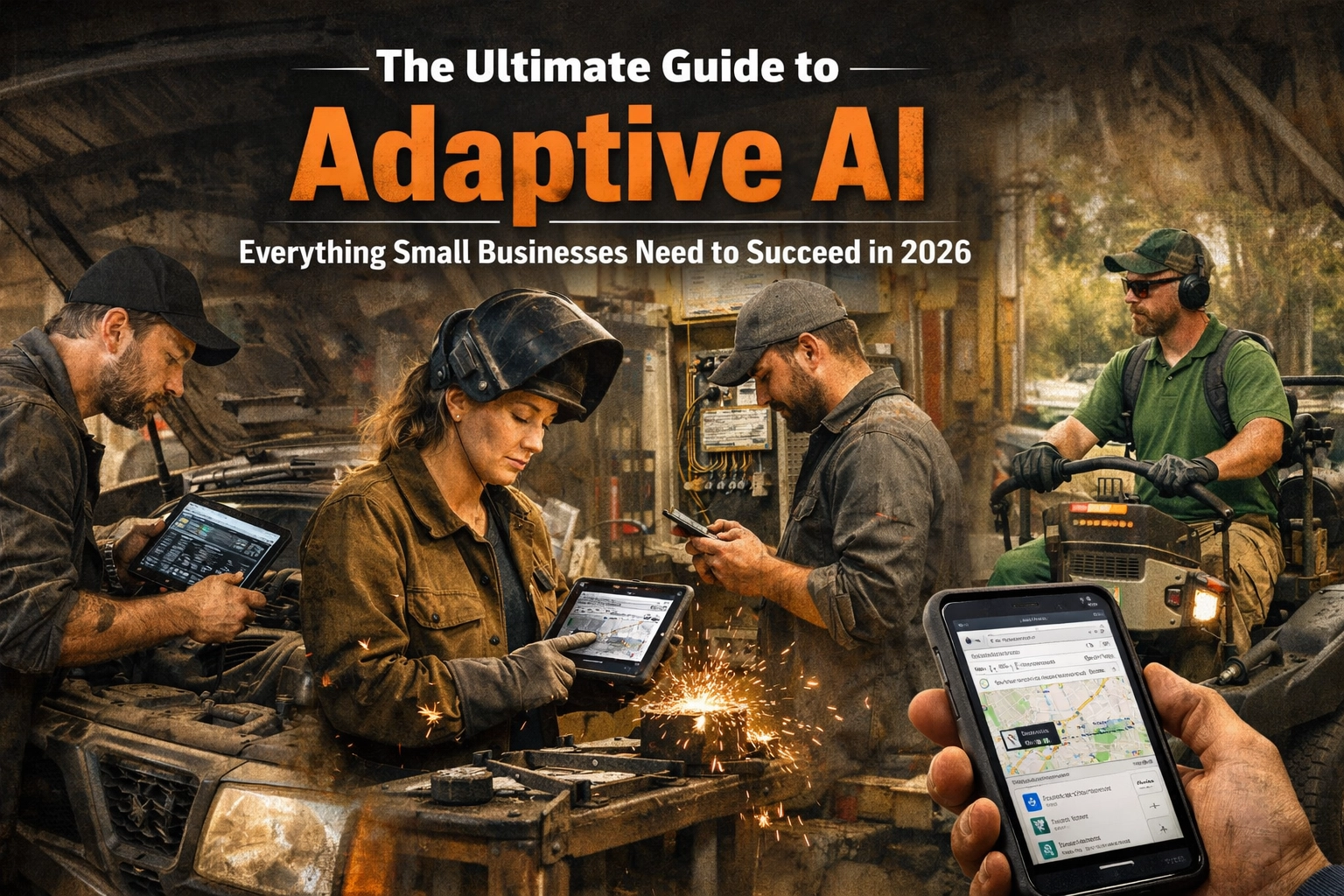
Adaptive AI is self-learning technology that gets smarter with every decision, no manual updates required. Unlike traditional automation that follows rigid rules, adaptive AI adjusts to your business in real-time. The data backs it up: 57% of US small businesses are already investing in AI, with productivity jumps of 25-30% and 60% hitting positive ROI within year one. For trades and small businesses in 2026, this isn't experimental tech, it's how you stay competitive.
The bottom line: You don't need perfect systems or clean data to start. Adaptive AI works with the mess you already have.
What Is Adaptive AI, Really?
Adaptive AI is technology that learns from your business operations and updates itself automatically, no engineer required.
Think of it like this: traditional automation is a vending machine. You push B7, you get chips. Same result every time until someone reprograms it.
Adaptive AI is more like a sous chef. It learns your preferences, adapts recipes based on what ingredients you have, remembers what worked last Tuesday, and gets better every shift.
The difference matters. AI adoption among small businesses has jumped 400% in the last three years because the technology finally fits how real businesses operate, messy, unpredictable, constantly changing.
Why Static Automation Falls Short (and Why You've Been Burned Before)
You've probably tried automation before. Maybe you set up email sequences or automated invoicing. It worked for a few months, then broke when your process changed. Now it's sitting there, half-functional, annoying your customers.
That's static automation.
Static systems require constant babysitting. When your pricing changes, your customer preferences shift, or a supplier falls through, you're back to manual updates. It's automation theater, looks impressive until it stops working.
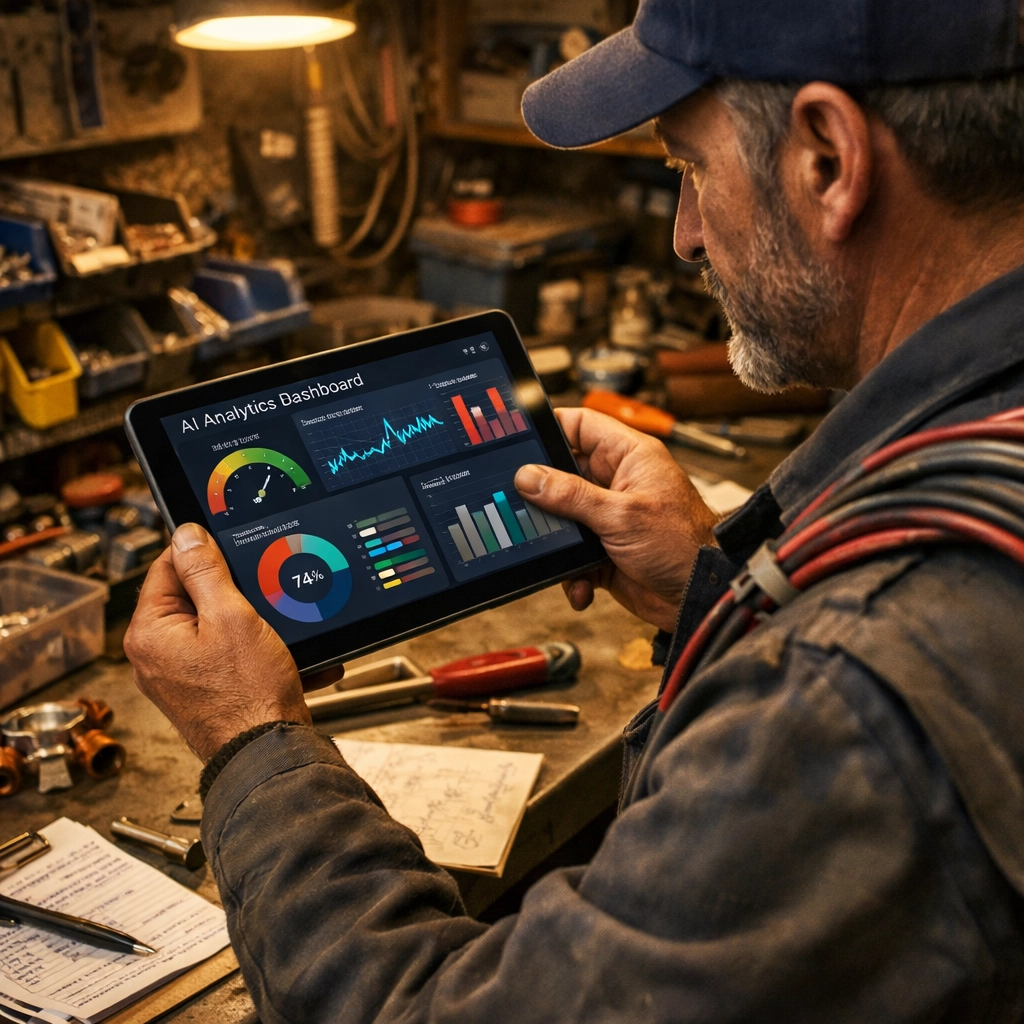
Adaptive AI is different: it monitors outcomes, learns from what's working, and adjusts automatically. No manual retraining. No engineer on retainer. It just keeps getting smarter.
How Does Adaptive AI Actually Work?
Here's the cycle that happens behind the scenes:
Learning: The system watches real interactions, how customers respond, which invoices get paid fast, what jobs take longer than estimated.
Decision Making: It applies those patterns to new situations without asking for permission.
Feedback Integration: When a decision works (or doesn't), the system notes it and adjusts.
Model Evolution: Over time, it updates its own logic based on performance.
The magic is in the memory. Adaptive AI remembers past patterns and recalls them when similar situations pop up. That memory compounds. Week one, it's helpful. Month six, it's indispensable.

What Adaptive AI Can Do for Your Business Right Now
Let's get specific. These aren't future promises, this is happening today in businesses like yours:
Customer Experience: Recommend the right product based on past purchases. Adjust pricing automatically when demand spikes. Send follow-up messages that actually match what the customer needs.
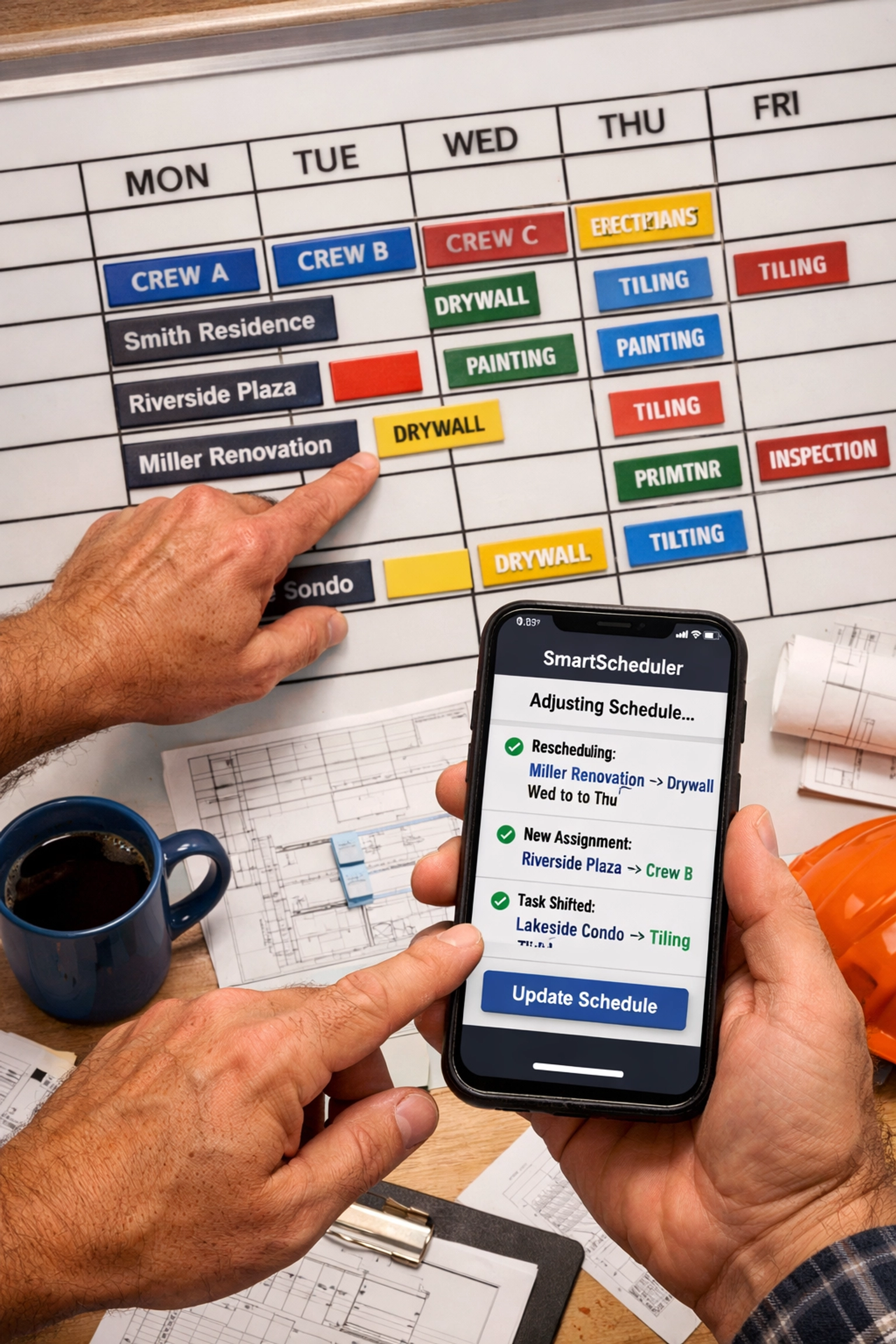
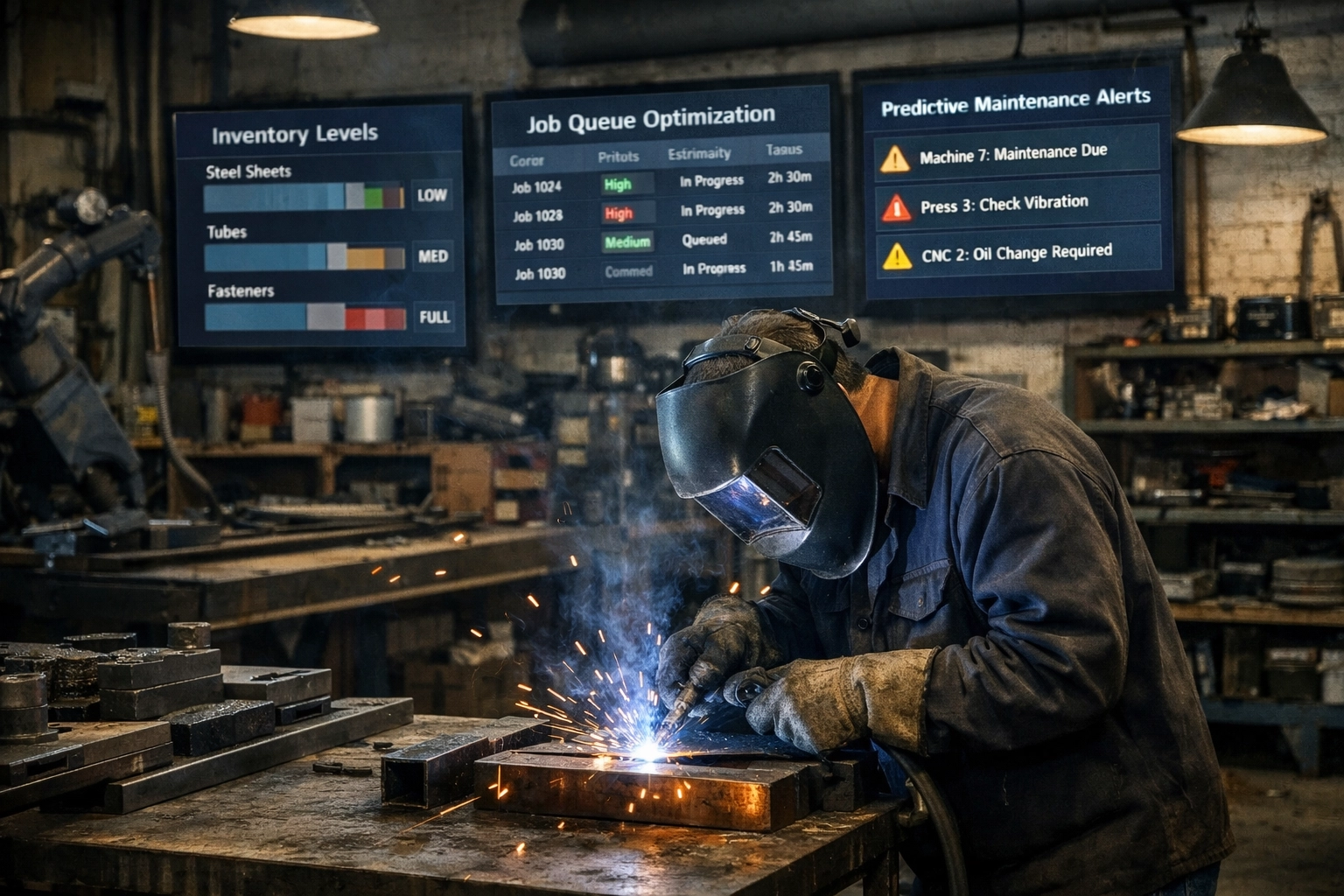
Operations: Optimize inventory so you're not sitting on dead stock or scrambling for parts. Adjust crew schedules based on job patterns. Forecast revenue with scary accuracy.
Decision Speed: Stop waiting for reports to tell you what happened last week. Adaptive AI flags problems as they develop and suggests fixes before you lose money.
The stakes are real. Businesses using adaptive AI are projected to outperform competitors by 25% in 2026. That's not a rounding error, that's the difference between growth and getting left behind.
The Messy Middle: You Don't Need Perfect Systems to Start
Here's where most AI consultants lose the plot. They tell you to "clean your data" and "map your processes" before you even think about AI.
That's backwards.
At Bafmin, we start with the mess. Your invoices are in three different spreadsheets? Your crew texts you updates instead of using the scheduler? Half your customer info is in your head?
Perfect. That's where we start.
Our approach is consulting first, automation second. We help you map what's actually happening, not what the operations manual says should happen. Then we build adaptive systems around your real workflow, not some idealized version of it.
You don't reorganize your shop to fit the tool. The tool adapts to your shop.
Getting Started: The First Two Weeks That Matter
Week one isn't about buying software. It's about identifying where you're bleeding time and money.
Day 1-3: Audit your bottlenecks. What tasks drain hours every week? Where do jobs get stuck? What information do you need but can never find?
Day 4-5: Pick one workflow. Not five. One. The thing that frustrates you most or costs you the most revenue.
Week 2: Document the current reality. How does it work now? Who touches it? What data exists (even if it's messy)? What would success look like?
Then you call someone like Bafmin. Because here's the truth: 55% of small businesses plan to increase AI investment this year, but over 40% haven't implemented anything yet. The window is closing.
What Good Adaptive AI Looks Like
When you're evaluating solutions (or talking to a consultant), here's what actually matters:
Real-time learning - It updates continuously without you touching it.
Memory systems - It recalls past decisions and results.
Context-aware intelligence - It knows the difference between a residential job and a commercial contract.
Built-in governance - You control what it can access and what it can't.
Scalability - It grows with you without breaking.
The platform should feel invisible. You shouldn't think about "the AI." You should just notice that scheduling got easier, estimates got more accurate, and you're not staying up until midnight doing admin work.
Industries Winning Big with Adaptive AI
Finance, healthcare, manufacturing, and retail are seeing the biggest gains, but don't let that fool you.
Trades are perfectly positioned for adaptive AI because your business has all the right conditions:
- Lots of repetitive decisions (pricing, scheduling, inventory)
- Variable conditions (weather, customer preferences, material availability)
- Thin margins where efficiency equals survival
- Data scattered across tools (texts, emails, spreadsheets, receipts)
Adaptive AI thrives in complexity. Your business is more complex than you think, and that's exactly why it works.
What Success Actually Looks Like
You'll know it's working when:
Faster decisions - You stop second-guessing prices or schedules because the system is learning what works.
Better accuracy - Estimates get closer to reality. Inventory orders shrink but you never run out.
Less manual work - You're not babysitting the system or troubleshooting broken automations.
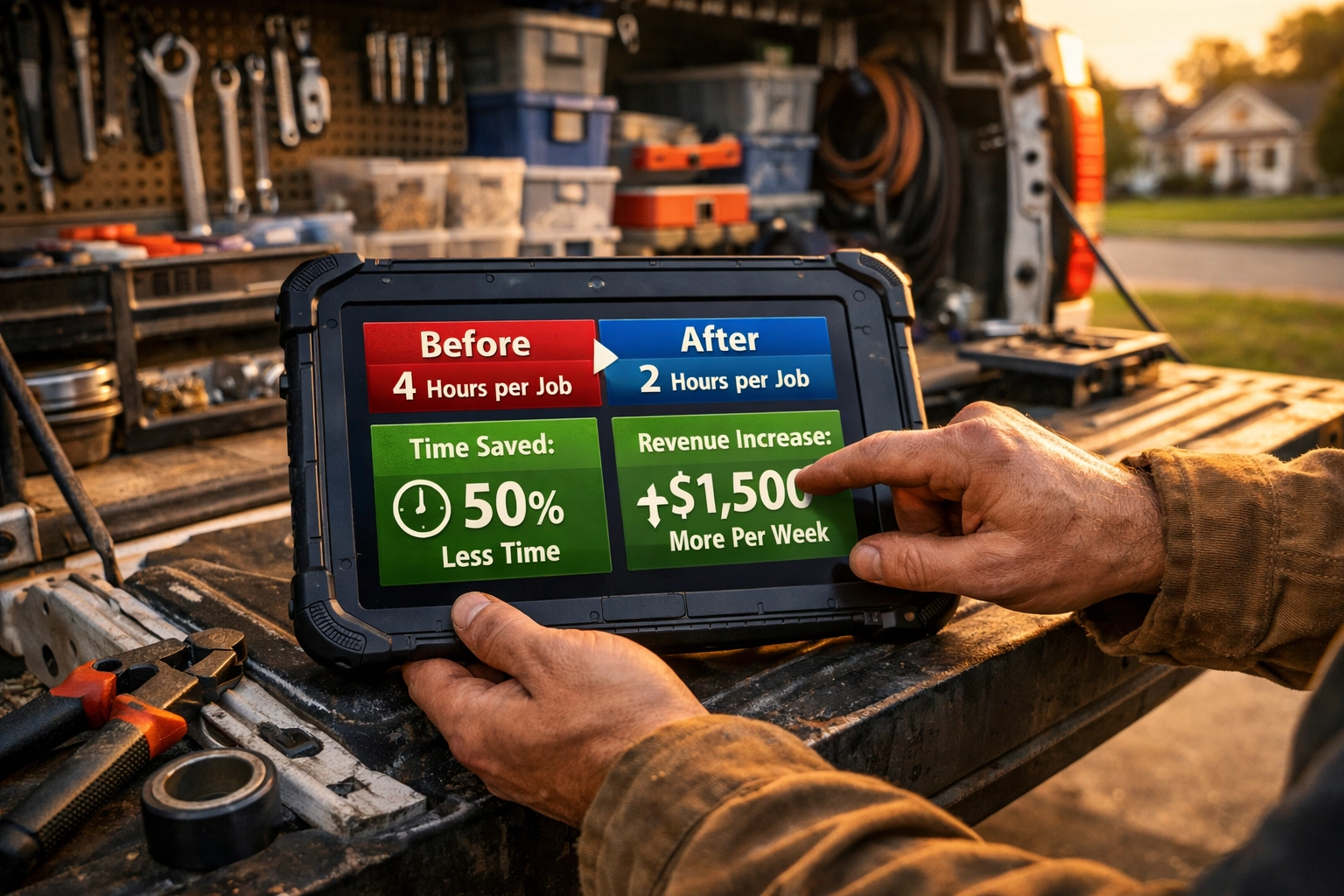
Measurable ROI - Remember that 60% positive ROI in year one? That's real. It shows up in time saved, jobs completed, and stress reduced.
The competitive advantage isn't just about doing more. It's about doing the right things at the right time: automatically.
The Bafmin Difference: We Start Where You Are
Most AI companies want to sell you software. We want to understand your business first.
Our process:
- Map the mess (no judgment, just reality)
- Identify high-impact opportunities
- Build adaptive systems around your actual workflow
- Train your team on what matters (not everything)
- Measure what moves the needle
We believe in consulting first, automation second. Because the best AI in the world is worthless if it's solving the wrong problem.
The Reality: Start Now or Fall Behind
The window for easy wins is closing. By late 2026, adaptive AI won't be a competitive advantage: it'll be table stakes.
Your competitors are already testing these systems. The ones who start now will have months or years of learning data baked into their operations. That compounding advantage is hard to catch.
The good news? You don't need a massive budget or a technical team. You need someone who understands your business and knows how to implement AI that actually works.
Ready to see what adaptive AI can do for your business? Start with a conversation. We'll help you identify your biggest opportunity and map a practical path forward: no fluff, no five-year roadmaps, just real results.
Because in 2026, the businesses that win aren't the ones with the fanciest tech. They're the ones that adapt fastest.