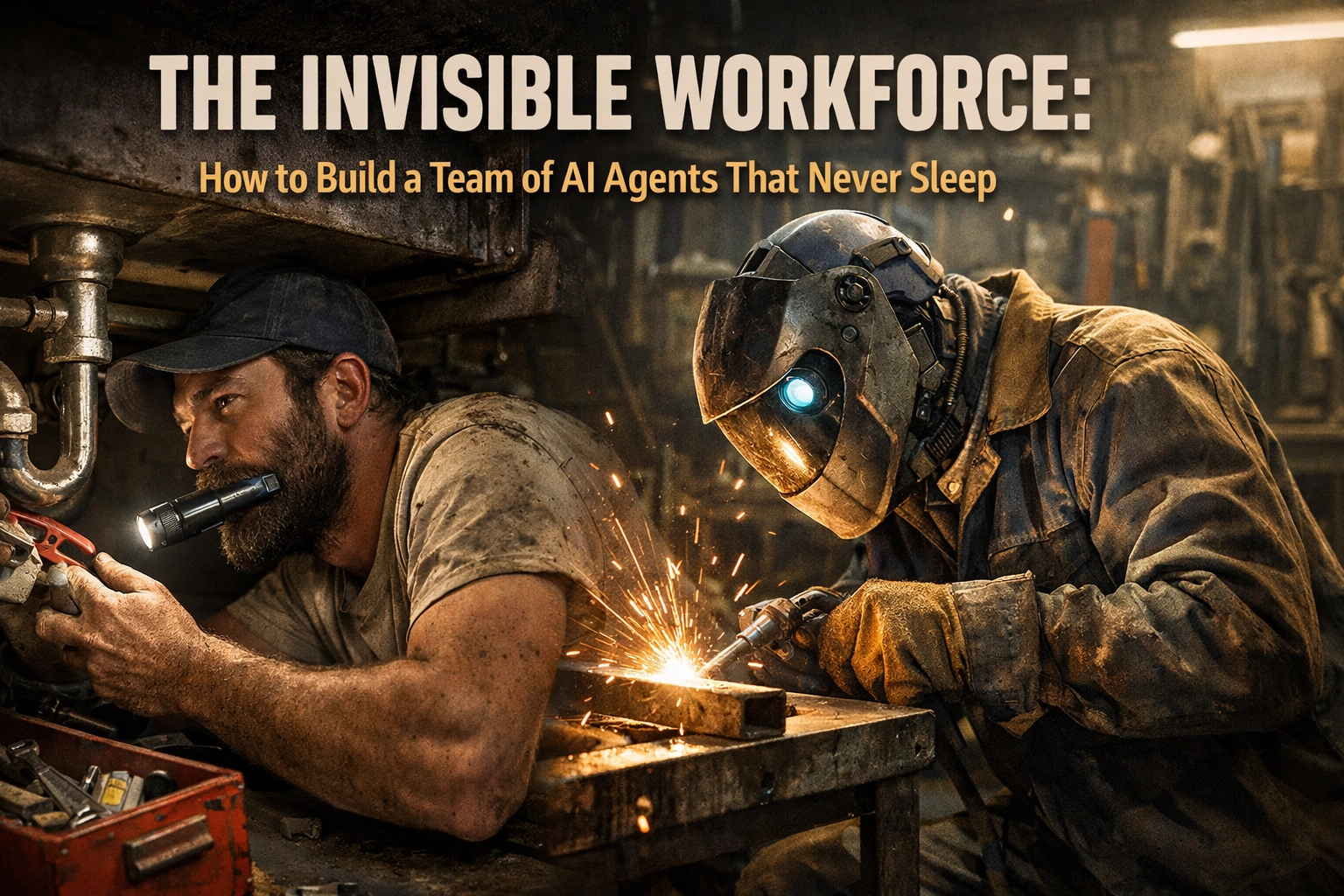
Your competitors have a team working 24/7 that never asks for overtime, never calls in sick, and never quits.
You don't see them on LinkedIn. They're not listed on the org chart. But they're processing orders at 2 AM, following up with leads on Sunday, routing service calls while your dispatcher is asleep, and optimizing schedules based on real-time job data.
They're AI agents. And if you're still thinking "chatbot," you're already behind.
What Agentic AI Actually Is (And Why It's Not What You Think)
Most business owners hear "AI" and think chatbot. A widget on the website that answers basic questions. Maybe a voice assistant that takes phone messages.
That's 2023 technology.
Agentic AI in 2026 is autonomous execution. These aren't tools that wait for you to click a button. They're digital workers that decide, act, and follow through without human intervention.
Here's the difference:
Old automation: If customer submits quote request → send confirmation email → notify sales team.
Agentic AI: Customer submits quote → agent evaluates job complexity + current crew capacity + material availability → generates customized quote → schedules follow-up call → updates CRM → alerts scheduler if job is accepted → orders materials when threshold is met.
No human touched that workflow. The agent handled six decisions and four systems.

The shift from "workflow automation" to "autonomous workforce" isn't semantic. It's operational. You're not building better processes, you're building team members that execute those processes without supervision.
The 2026 Context: Why This Works Now (And Didn't Two Years Ago)
Two factors changed the game.
First: Adaptive learning systems got cheap. The AI agents available today learn from your historical data, your real-time operations, and external signals (weather, traffic, supplier delays, customer behavior patterns). They don't need six months of "training"—they start executing in week one and get smarter by the day.
Second: Integration became frictionless. You're not replacing your dispatch software, QuickBooks, or CRM. Agentic AI sits on top of your existing stack and connects everything. One agent can pull data from your scheduling tool, your payment processor, and your inventory system, then make decisions based on all three.
The businesses winning in 2026 aren't the ones with the newest software. They're the ones with the invisible workforce that makes their existing software 10x more effective.
How to Build Your Invisible Team (The Framework)
Building an AI workforce isn't about "installing software." It's about defining what work gets delegated and what stays human.
Here's the four-layer model:
Layer 1: Repetitive Execution (Start Here)
These are the tasks you're already doing manually that follow a clear pattern.
- Lead follow-up sequences
- Appointment confirmations and reminders
- Invoice generation and payment follow-up
- Job status updates to customers
- Data entry across multiple systems
Deploy AI agents here first. Average time savings: 15–20 hours per week. That's half a full-time employee's capacity freed up without hiring anyone.
Layer 2: Decision Support (Augmentation)
The agent doesn't replace your judgment—it feeds you better information faster.
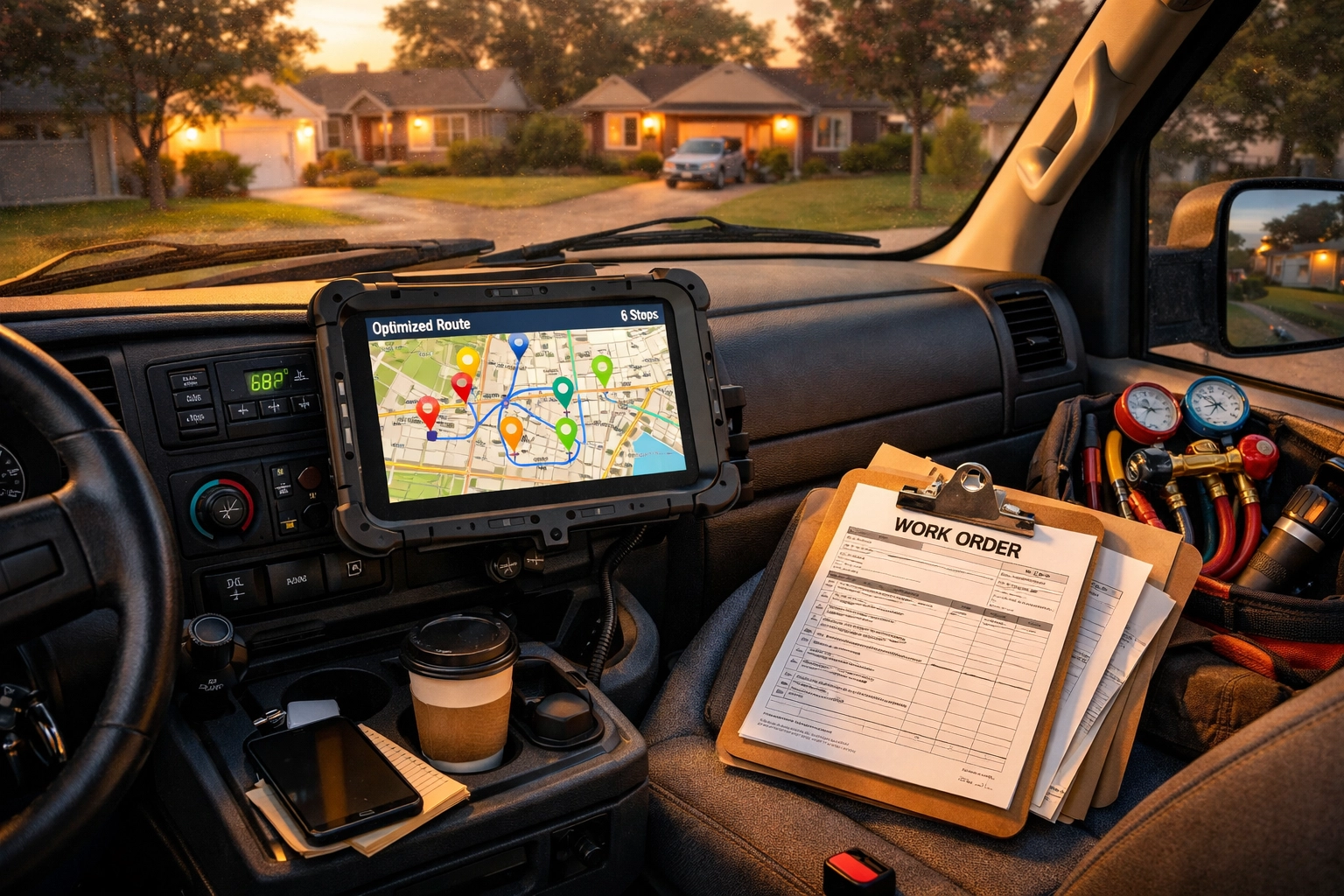
- Route optimization based on real-time traffic + crew skills + job priority
- Material ordering based on job pipeline + current inventory + lead times
- Pricing recommendations based on job complexity + competitive landscape + margin targets
- Crew scheduling that balances availability, certifications, and travel efficiency
You still approve the decision. The agent just does the analysis in seconds instead of hours.
Layer 3: Autonomous Operations (The ROI Layer)
This is where you see 10%+ cost reductions. The agent handles entire workflows start to finish with human-in-the-loop oversight only when exceptions occur.
- Customer service inquiries (90% resolved without human escalation)
- Vendor coordination and purchase order management
- Job documentation and compliance reporting
- Payroll processing and timesheet reconciliation
Research shows strategic workforce planning with AI agents generates average cost savings of 10% of annual labor budgets through optimized staffing and reduced attrition.
Layer 4: Strategic Intelligence (The Competitive Edge)
The agent identifies opportunities and risks you wouldn't catch manually.
- Customer churn prediction (flags at-risk accounts 30 days early)
- Revenue leak detection (finds unbilled work, missed change orders)
- Market signal analysis (competitor pricing shifts, demand pattern changes)
- Operational bottleneck identification (where delays actually cost you money)
This isn't reporting. It's proactive intelligence that drives decisions before problems become expensive.
What Your Invisible Workforce Actually Looks Like
Let's get concrete. Here's what three businesses deployed in Q4 2025:
HVAC contractor (12 trucks): Three AI agents handle dispatch coordination, customer follow-up, and invoice management. Seasonal revenue up 22% with same crew size. Average job margin improved 4 points because agents flag upsell opportunities in real time.
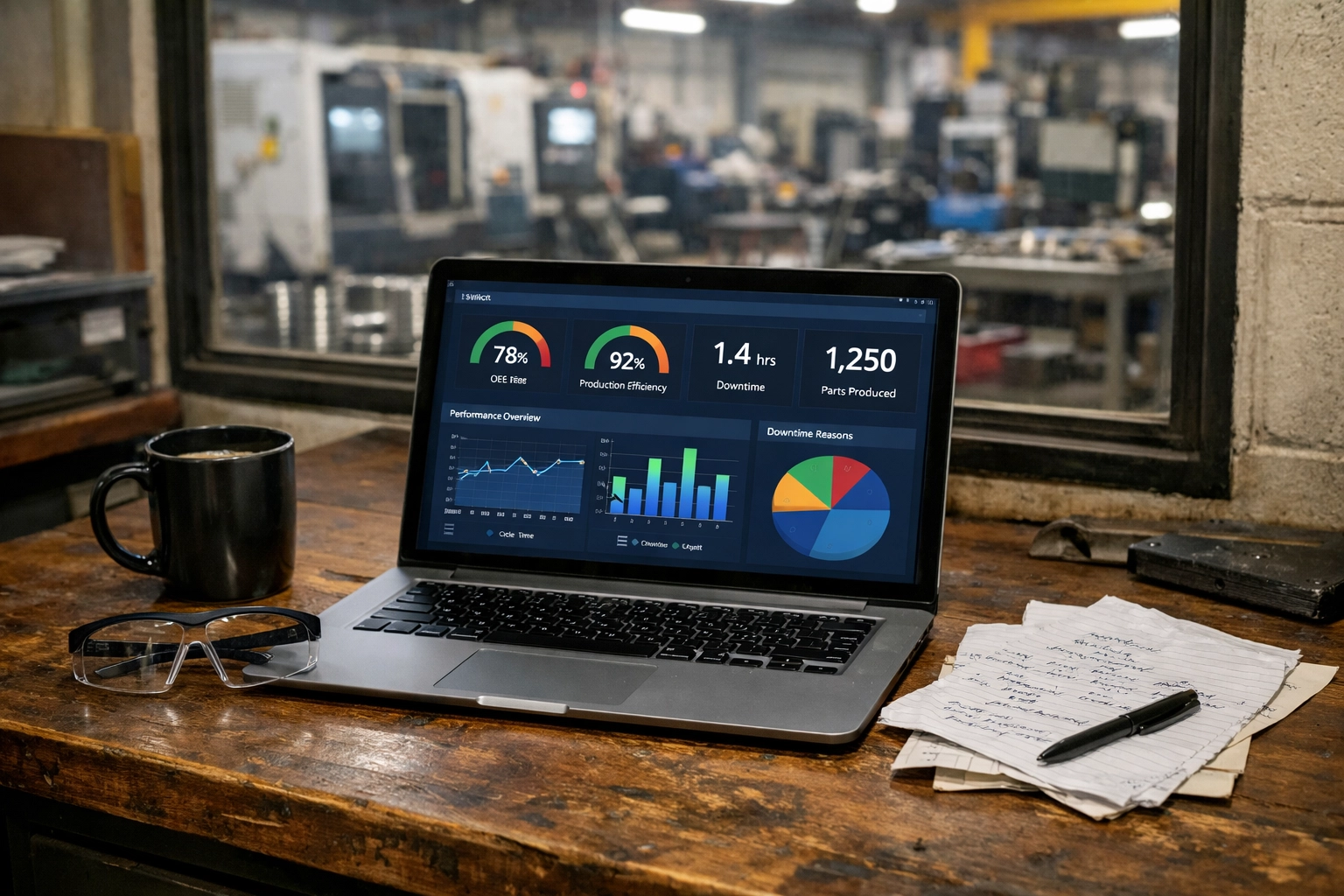
Machine shop (25 employees): Two agents manage quoting and production scheduling. Quote turnaround dropped from 48 hours to 4 hours. Win rate up 18% because quotes arrive while customer is still evaluating options.
Commercial electrician (8-person team): One agent handles all post-job documentation and compliance reporting. Owner recovered 12 hours per week previously spent on paperwork. Used that time to close two additional commercial contracts worth $180K combined.
The ROI isn't abstract. It's measurable, fast, and compounding.
The Skills Shift: What Happens to Your Human Team
The question every owner asks: "What about my people?"
Here's the reality: AI agents don't eliminate jobs—they eliminate tasks. The work that remains becomes higher value.
Your dispatcher stops manually coordinating schedules and starts coaching newer team members. Your office manager stops chasing invoices and starts analyzing cash flow trends. Your lead estimator stops building every quote from scratch and starts closing the complex deals that need relationship selling.
Organizations that deployed agentic AI in 2024-2025 saw demand shift from information-focused skills (data entry, basic coordination) toward interpersonal and judgment-based competencies (customer relationship management, strategic planning, exception handling).
You're not replacing employees. You're upgrading their roles while the invisible workforce handles the repetitive grind.
Why Most Businesses Fumble the Deployment
The failure pattern is consistent: business owner buys AI tool, turns it on, expects magic, gets frustrated when it doesn't "just work," abandons it after 60 days.
Here's what actually works:
Start with one clear workflow. Not ten. One. Get that dialed in before expanding.
Define success metrics upfront. "Save time" isn't a metric. "Reduce quote turnaround from 48 hours to 6 hours" is a metric.
Assign a human owner. Someone on your team owns the relationship with the AI agent. They monitor performance, handle escalations, and refine the workflow.
Plan for 30 days of tuning. The agent will make mistakes in week one. That's expected. By week four, it's operating at 90%+ accuracy. By month three, it's outperforming your best human on that specific task.
The businesses that win treat AI agents like new hires that need onboarding—not magic buttons.
The Competitive Reality
Your competitors aren't all deploying agentic AI yet. But the ones who are? They're operating with 15-25% lower overhead, faster response times, and higher margins.
That gap compounds. In 2026, the question isn't "Should I build an invisible workforce?" It's "Can I compete without one?"
The small business owners who treated this as optional in 2024 are now scrambling to catch up. The ones who started early have a 12-18 month operational advantage that's nearly impossible to close.
The stakes are real. The urgency is clear.
Building your invisible workforce isn't a tech project. It's a competitive survival decision.
The Bottom Line
Agentic AI isn't coming. It's here. The businesses winning in 2026 stopped asking "Is this real?" and started asking "Which workflow do I automate first?"
Your invisible workforce doesn't need a desk, benefits, or time off. It needs clear instructions, clean data, and a human owner who treats deployment like building a team—not installing software.
Start with one workflow. Measure the result. Scale from there.
The ROI shows up in weeks, not quarters. And once you see it, you'll wonder how you ever ran the business without it.